Bio-Security
SPS, Food & Special Cargo
Expert management of Veterinary (POAO), Phytosanitary, and CITES controlled goods.
SPS and controlled-goods work is logistics plus evidence governance
Perishable, veterinary, phytosanitary and CITES-sensitive movements do not fail only on legal scope. They fail when health certificates, pre-notification, carrier sequencing, border-post timing and documentary integrity are not treated as one controlled chain.
This page therefore needs to do more than list regimes. It has to show how SPS, food, wildlife and special cargo work sits inside a broader operating model with route sensitivity, documentary discipline and authority-facing evidence quality.
That makes the service relevant not only to traders of controlled goods, but also to regulated supply chains that need a more reliable release path across UK, EU and selected special-cargo contexts.
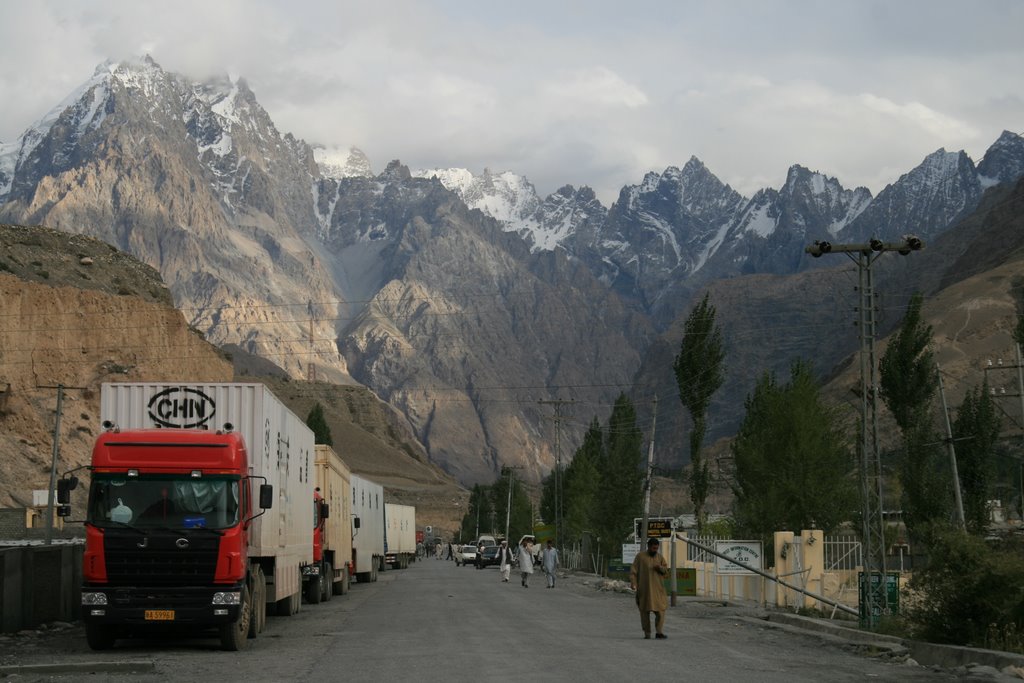
Document timing and border timing are inseparable.
The page now reads as a real controlled-goods capability, not as a legacy niche placeholder.
Agri-Food Border Controls (SPS)
For perishables, time is the enemy. We integrate veterinary protocols directly into the logistics flow.
1. Health Cert.
Issued by Origin Country Vet/Auth.
2. Pre-Notification
TRACES NT (EU) or IPAFFS (UK) filing.
3. BCP Entry
Doc & Identity Check at Border Post.
4. CHED / CVED
Clearance & Release for Free Circulation.
CITES & Wildlife
Importing exotic leathers, woods, or botanical ingredients? We handle the strict permitting process.
- Permit Management: CITES Import/Export & Re-export certificates.
- Inspection Coordination: Booking physical inspections with specialized CITES units.
- Scientific Validation: Verifying taxonomy against Appendices I, II, or III.
Cultural Goods
Compliance with Reg. (EU) 2019/880 on the import of cultural goods.
- Import Licenses: Mandatory for archaeological artifacts (>250 years old).
- Importer Statement: For lower-risk categories (e.g., paintings >200 years).
- Provenance: Ensuring legal export from the country of origin to avoid seizure.

SPS, CITES and special-cargo release depends on sequence discipline.
Certificate, notification, inspection and release have to be read as one controlled journey with less room for documentary drift.
| Controlled-goods layer | Common weakness | What the client gains |
|---|---|---|
| SPS pre-notification and health evidence | Certificates, TRACES/IPAFFS entries and transport timing are not governed as one release chain. | Fewer preventable stops, clearer document ownership and better readiness at the border post. |
| CITES and permit logic | Permit requirements and scientific validation are treated too late, after freight planning is already locked. | A cleaner path for licensing, inspection booking and authority-facing evidence before the shipment becomes critical. |
| Cultural and other controlled goods | Provenance, importer statements and release assumptions are not assembled into one durable file. | Better defensibility and less last-minute friction when goods are inspected or documentary proof is requested. |
Typical risk signals
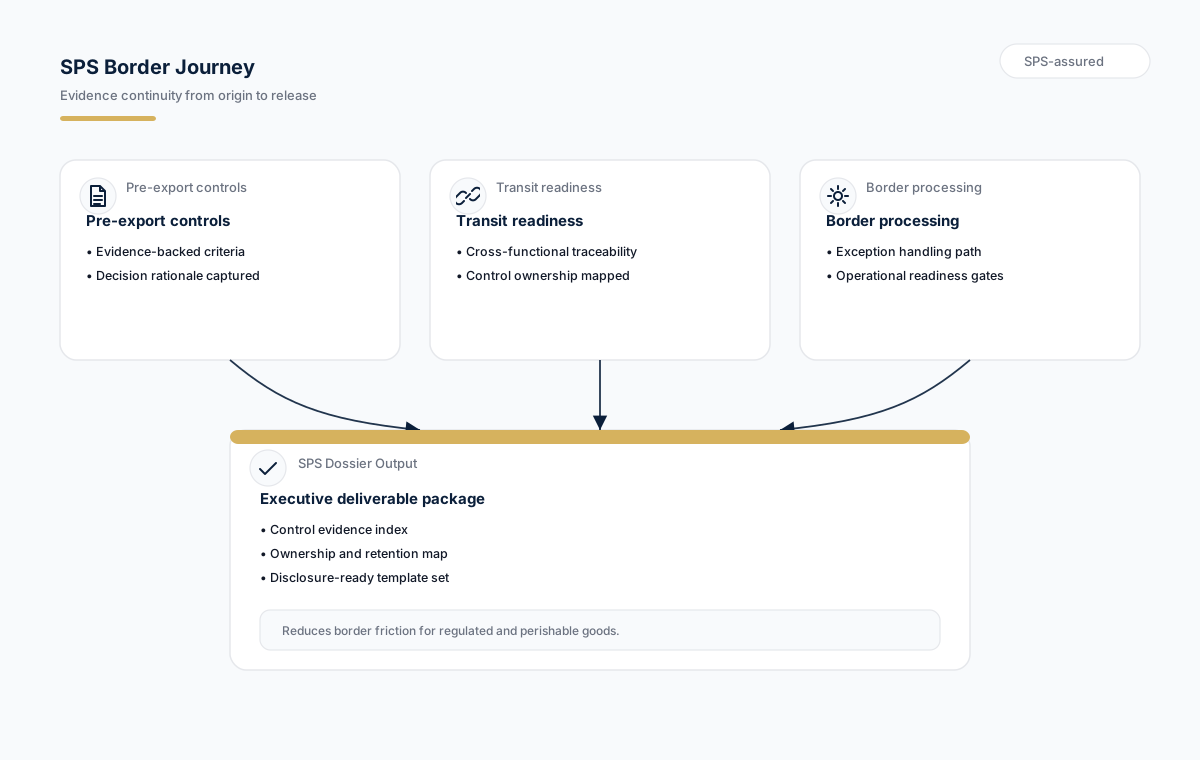
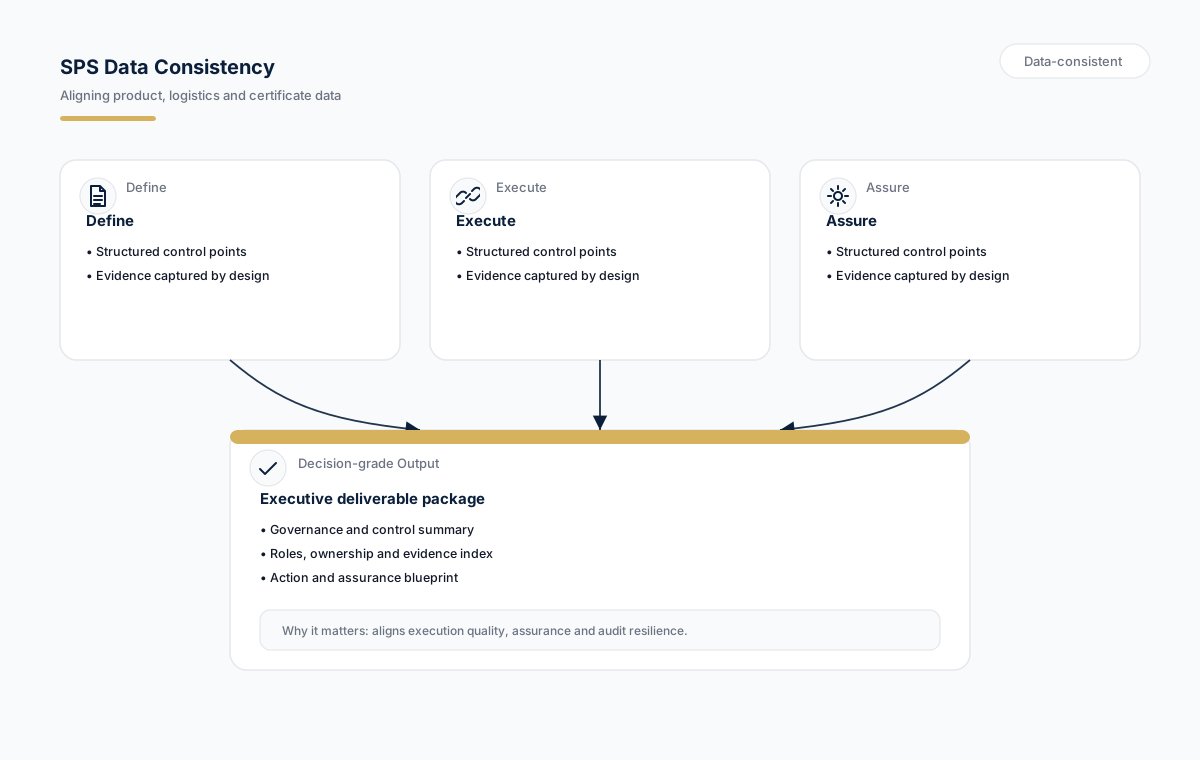
SPS and biosecurity controls are unforgiving because they combine regulatory evidence with physical logistics. The difference between a smooth BCP entry and a costly hold is often upstream: certificate accuracy, commodity mapping, pre-notification data quality, and a documented chain of custody for the consignment. We help teams design an SPS operating model that connects TRACES/IPAFFS filings, health certificates, and customs data so the same consignment narrative is consistent end to end.
We define roles and escalation paths for corrections, build checklists that prevent recurring errors, and design evidence retention so responses to authority queries are fast. The objective is continuity: fewer border surprises and predictable release times.
Controlled-goods extension: Kimberley and rough diamonds
Kimberley coverage belongs here because rough-diamond movements are a compact but real example of border control that depends on permit chain, documentary integrity and release sequencing rather than generic customs knowledge alone.
Rough diamonds require a controlled document chain
The practical issue is not just knowing that the Kimberley Process exists. It is maintaining a release file where certificate, shipment identity, operator roles and route control remain coherent from origin through border handling.
- Certificate validity and documentary continuity across export, transit and import.
- Clear treatment of controlled-goods status inside broker and shipment instructions.
- Evidence strong enough to support authority review without reconstructing the file afterwards.
| Controlled-goods point | Why it matters |
|---|---|
| Permit or certificate chain | If the controlled-goods logic is added late, the shipment can already be commercially committed on assumptions that no longer hold. |
| Document identity | Certificate data, shipment details and customs-facing records need to align tightly enough to avoid preventable hold or seizure risk. |
| Authority-facing governance | The file should make it obvious who validated the controlled-goods status and who is responsible for release decisions. |